May 03, 2026
The newcube Venice Guide
Article by
read
The Venice Biennale opens this week and if you’ve never been, let us explain why it’s one of the rare events in the art world that actually lives up to the hype.
The History of the Biennale
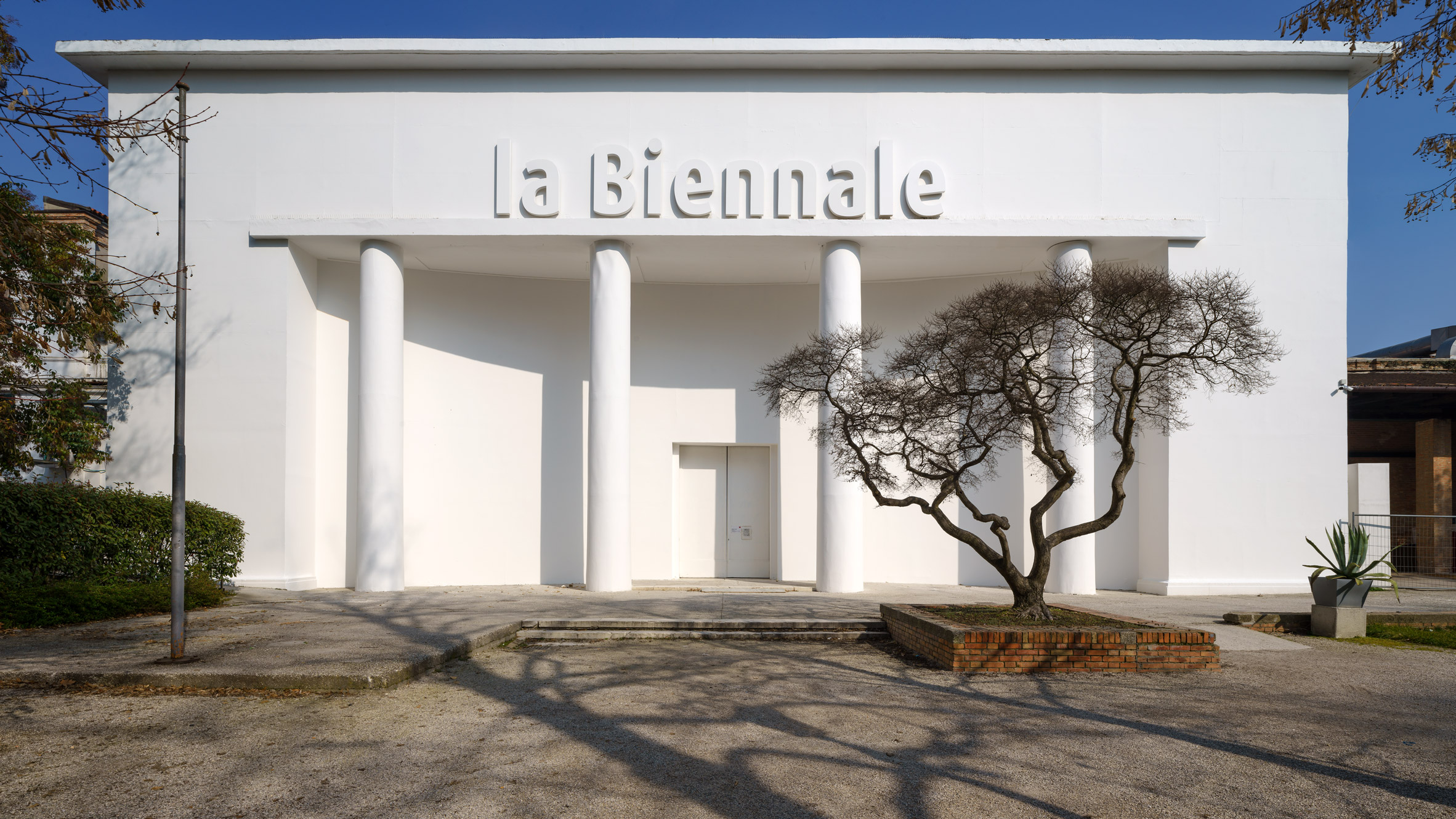
Born in 1895, the Biennale was a bid to restore the city’s cultural prestige after centuries of decline as a maritime power. The first edition drew over 200,000 visitors. More than 130 years later, it’s become the undisputed Olympics of the art world.
Today, the event transforms the city as a whole into a sprawling gallery, the historic Giardini hosting permanent national pavilions, the vast Arsenale holding the main international exhibition, and countless palazzos and warehouses throughout the city staging collateral events.
61st Edition: In Minor Keys
This year’s 61st edition features 100 national participations and 31 collateral events – which means if you try to see everything, you will lose your mind.
This year’s edition, In Minor Keys, was conceived by Koyo Kouoh, the first African woman ever appointed to lead the Biennale. She died unexpectedly in May 2025, before the show opened. Her vision: an exhibition deliberately moving away from spectacle toward something slower and more attentive, structured around motifs like Shrines, Procession, Rest, and Schools. Artists from Dakar, Beirut, Nashville, Lagos, and beyond – all arriving at the same questions from vastly different corners of the world.
The main exhibition brings together 111 participants: individual artists, duos, collectives, and artist-led organizations, with a noticeable shift toward living artists compared to recent editions.
At the heart of the show is Shrines, dedicated to two figures central to Kouoh’s thinking: the Senegalese artist, poet, and playwright Issa Samb and the American artist Beverly Buchanan. From there, the exhibition unfolds through a set of overlapping motifs. Procession draws on Afro-Atlantic traditions of movement and gathering, with artists including Alvaro Barrington, Nick Cave, Pio Abad, Ebony G. Patterson, and Big Chief Demond Melancon working through performance and assemblage. Rest carves out space for reflection and repair: Helen Sebidi, Seyni Awa Camara, and Wangechi Mutu among those foregrounding material, spiritual, and environmental connection. Schools expands the frame further, bringing in artist-led organizations like Raw Material Company in Dakar, GAS Foundation in Lagos, and the Nairobi Contemporary Art Institution – spaces of collective learning treated here as artistic practice in their own right.
Large-scale installations by Kader Attia, Laurie Anderson, and Khaled Sabsabi punctuate the whole, while Performances closes the loop with a program of live events, including a poetic procession in the Giardini inspired by Kouoh’s own 1999 Poetry Caravan.
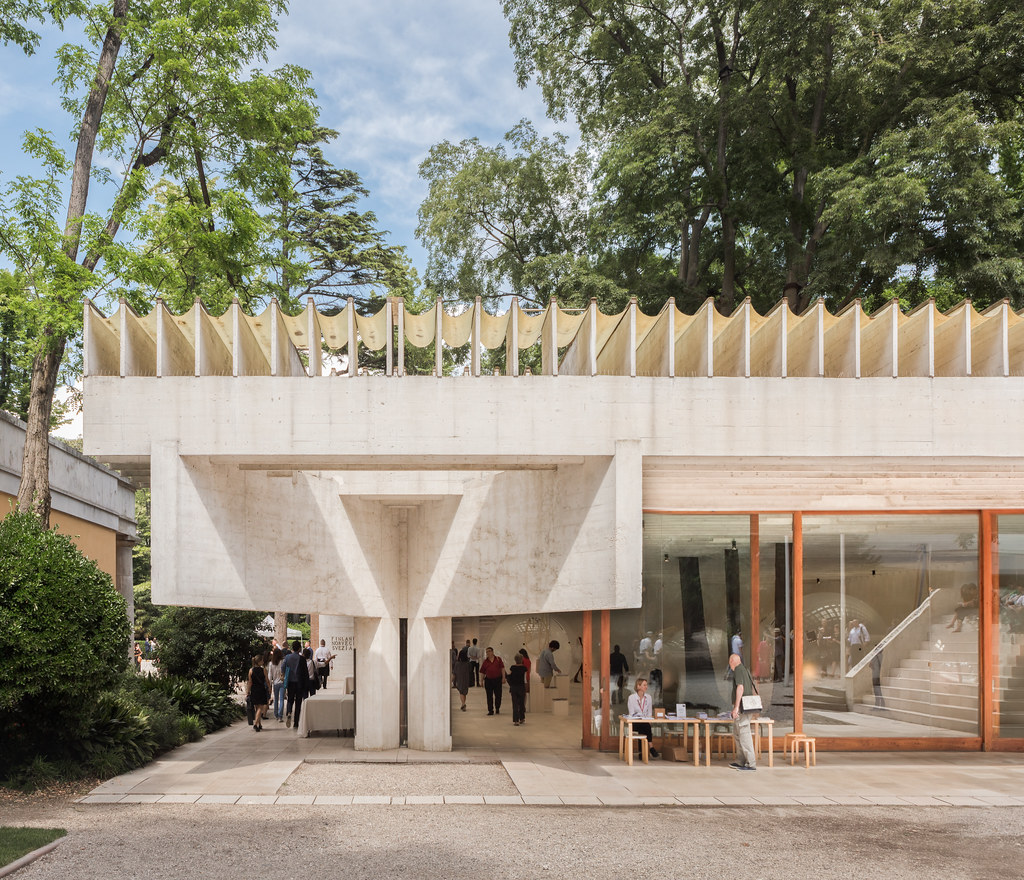
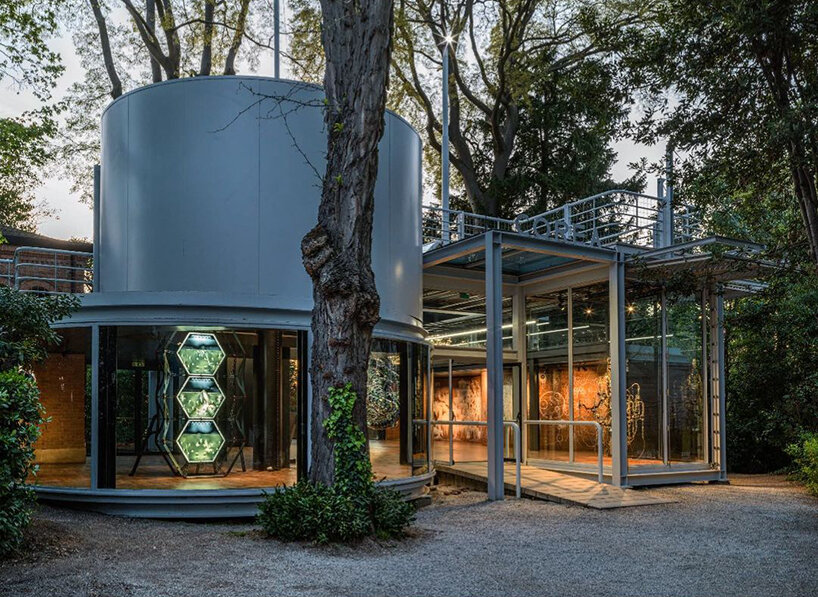
The Pavillions
Beyond the main exhibition, 99 nations are participating this year, up from 86 in 2024. The expansion is real: 12 African countries are presenting national pavilions, with Guinea, Equatorial Guinea, Morocco, Sierra Leone, and Somalia all appearing for the first time. El Salvador, Moldova, Nauru (the world’s smallest island nation), and Vietnam are also making their Biennale debuts. Qatar is establishing its first permanent pavilion in the Giardini, the first new addition to that historic site in 30 years; for 2026, the presentation will be housed in a temporary structure designed by Rirkrit Tiravanija on the future pavilion’s site.
Women artists define much of this year’s national representation. In the UK, Lubaina Himid, winner of the 2017 Turner Prize, becomes only the second Black woman to represent Great Britain at the Biennale. France is represented by Yto Barrada, making her national pavilion debut after previous appearances in the main exhibition. Florentina Holzinger leads Austria; Jenna Sutela represents Finland; Merike Estna, Estonia; Isabel Nolan, Ireland; and Maja Malou Lyse, Denmark’s youngest-ever representative. Performance runs as a parallel thread through the pavilions too, with Belgium’s Miet Warlop, Japan’s Ei Arakawa-Nash, South Korea’s Goen Choi and Hyeree Ro, and the Netherlands’ Dries Verhoeven all foregrounding live work in ways that feel very much in step with Kouoh’s vision.
Throughout Venice
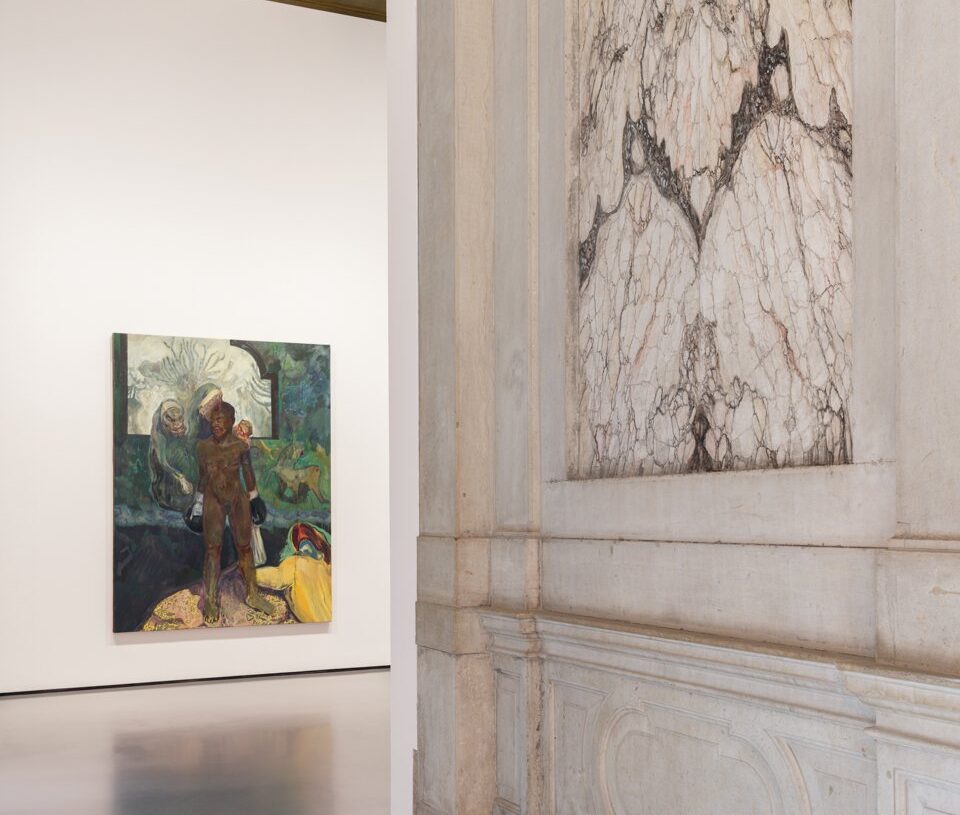
The best part about the Biennale is that it extends well beyond the Giardini and Arsenale. The entire city transforms into exhibition spaces and there is no shortage of amazing art to be seen. While we could spend all day adding something new to it, the below list is a good place to start.
Amoako Boafa at The Museo di Palazzo Grimani
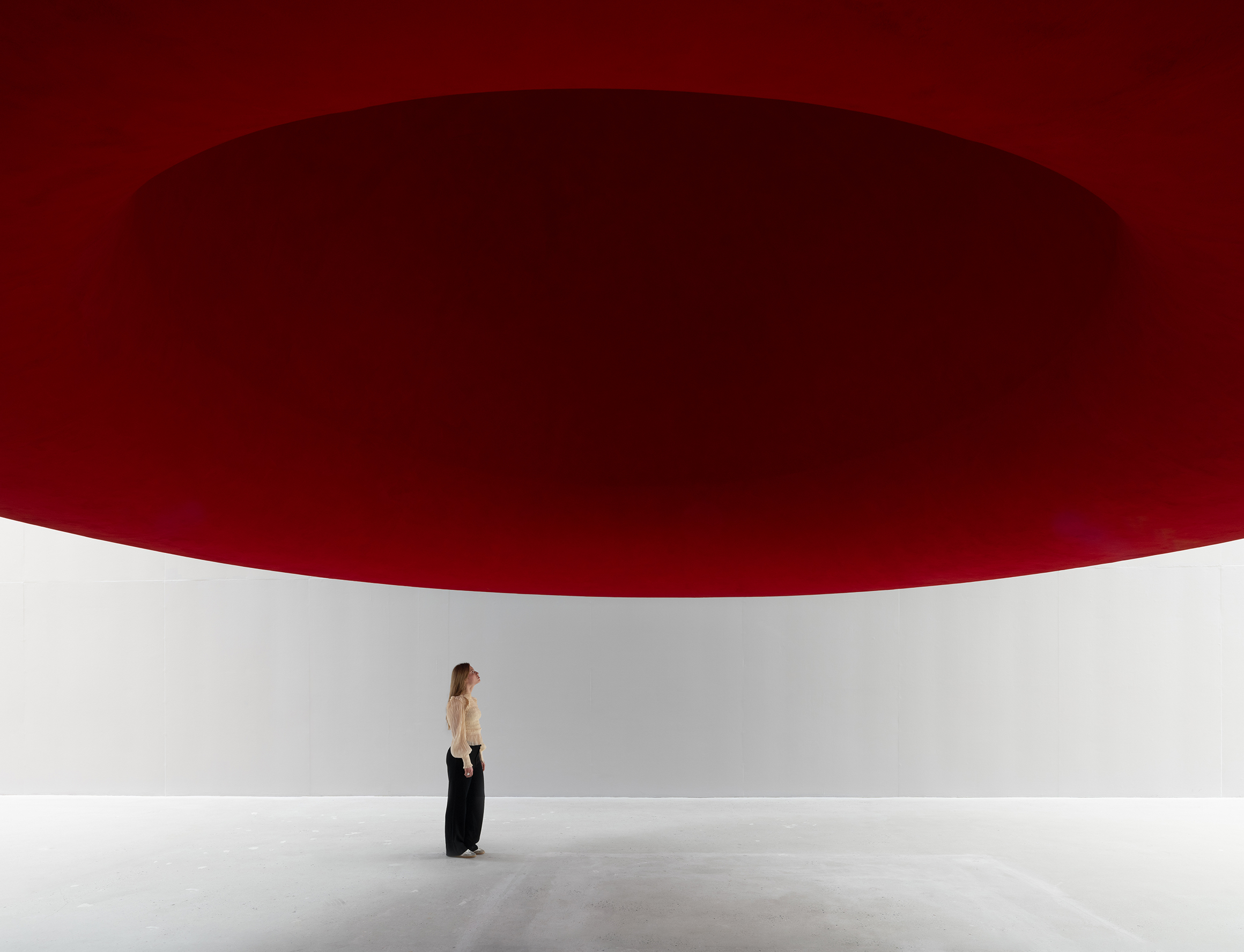
Anish Kapoor at Palazzo Manfrin.
Arthur Jafa and Richard Prince, Helter Skelter, at Fondazione Prada
Georg Baselitz, Eroi d’Oro, at Fondazione Giorgio Cini
Jennifer West, Stitched Cosmos, at Ca’ Foscari University of Venice
Lee Ufan presented by Dia Art Foundation at San Marco Arts Center
Lorna Simpson. Third Person at Punta della Dogana, Dorsoduro
Marina Abramović, Transforming Energy, at Gallerie dell’Accademia di Venezia
Michael Armitage, The Promise of Change at Pinault Collection, Palazzo Grassi
Peggy Guggenheim Collection
The Only True Protest is Beauty, Inaugural exhibition at Fondazione Dreis Van Noten
Eat & Drink
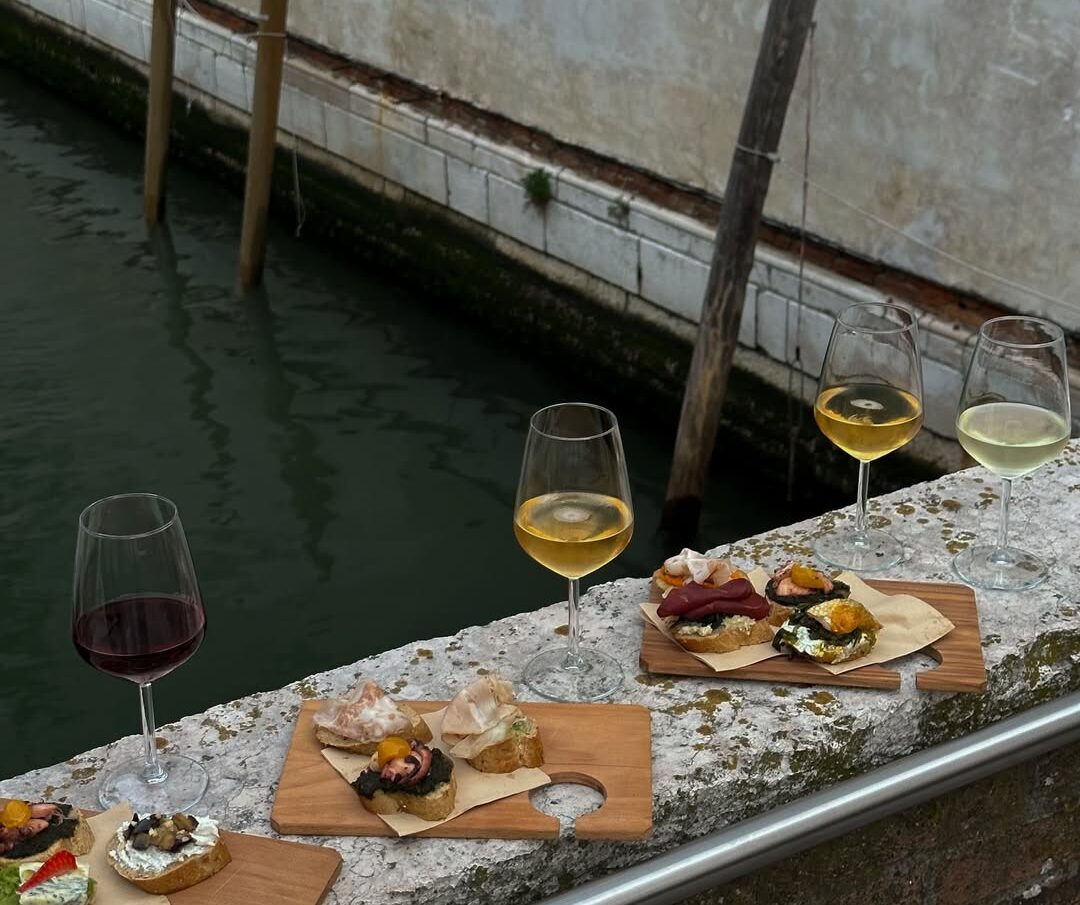
While the entire city is transformed into an alternative reality, we can’t forget where it’s located: Italy. Here is where you should stop between sites for a quick bite, or a long dinner over delicious pasta, seafood, and wine.
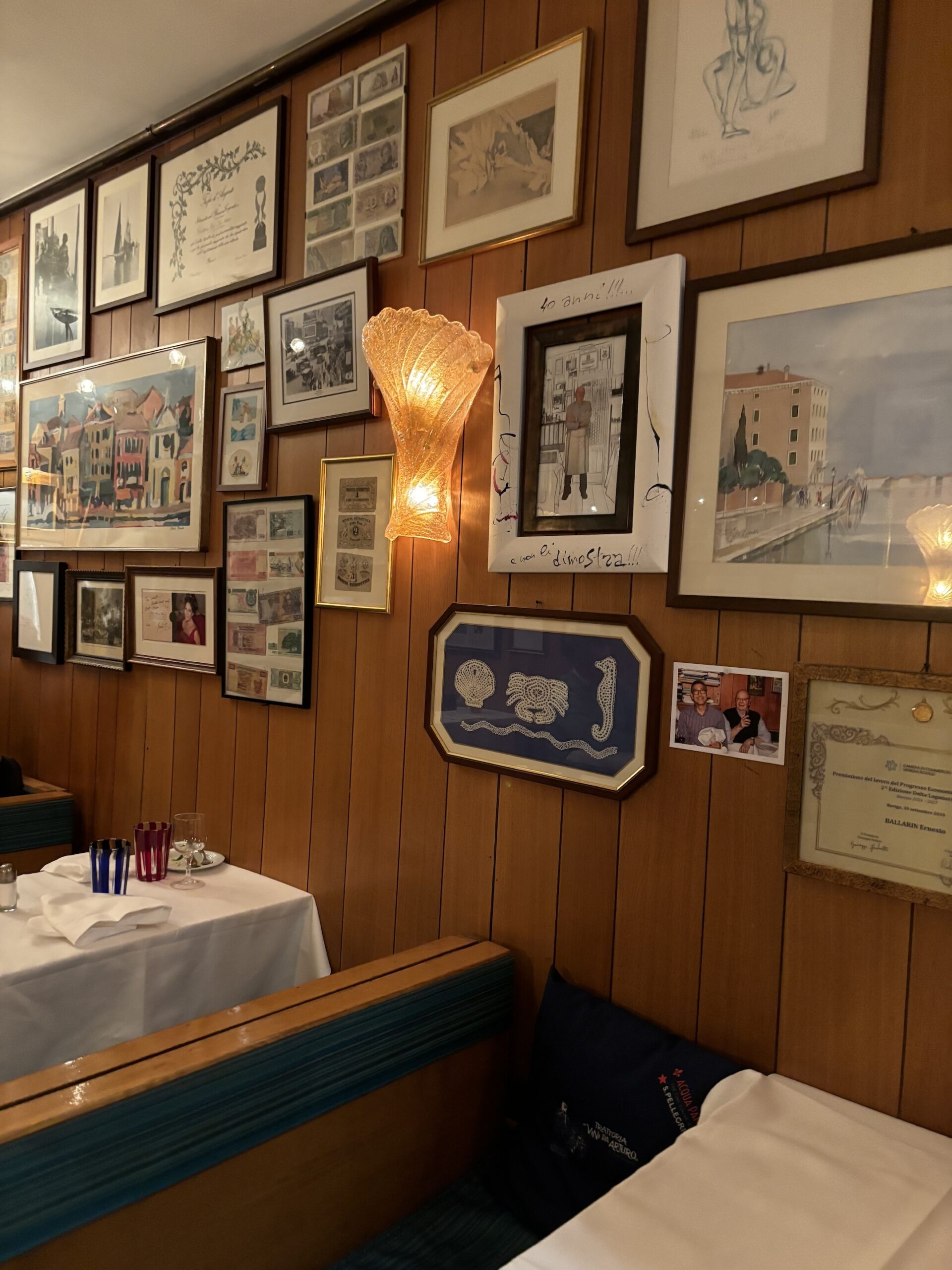
Vini Da Arturo
Vino Vero
Bar All Toletta
Tonolo
Pasticceria Rizzardini
La Zucca
Antiche Carampane
All’arco